



Here we present you ten of the most popular and fascinating festivals all over the world. This events represent their countries and gather people together, so it is a great opportunity to participate to any of the.
10. Chinese New Year
Chinese New Year is an important traditional Chinese holiday. In China, it is also known as the Spring Festival, the literal translation of the modern Chinese name. Chinese New Year celebrations traditionally ran from Chinese New Year’s Eve, the last day of the last month of the Chinese calendar, to the Lantern Festival on the 15th day of the first month, making the festival the longest in the Chinese calendar. Because the Chinese calendar is lunisolar, the Chinese New Year is often referred to as the “Lunar New Year”.

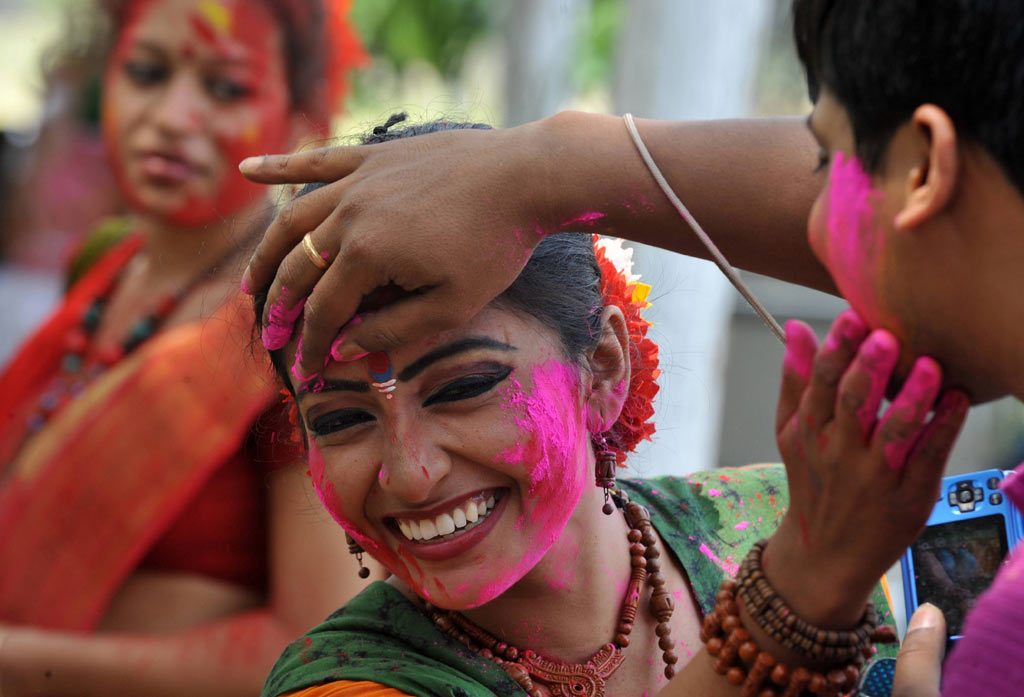
9. Holi Festival, India
Every year, thousands of Hindus participate in the festival Holi. The festival has many purposes. First and foremost, it celebrates the beginning of the new season, spring. Originally, it was a festival that commemorated good harvests and the fertile land. Hindus believe it is a time of enjoying spring’s abundant colours and saying farewell to winter. It also has a religious purpose, commemorating events present in Hinduism. During this event, participants hold a bonfire, throw coloured powder at each other, and celebrate wildly.
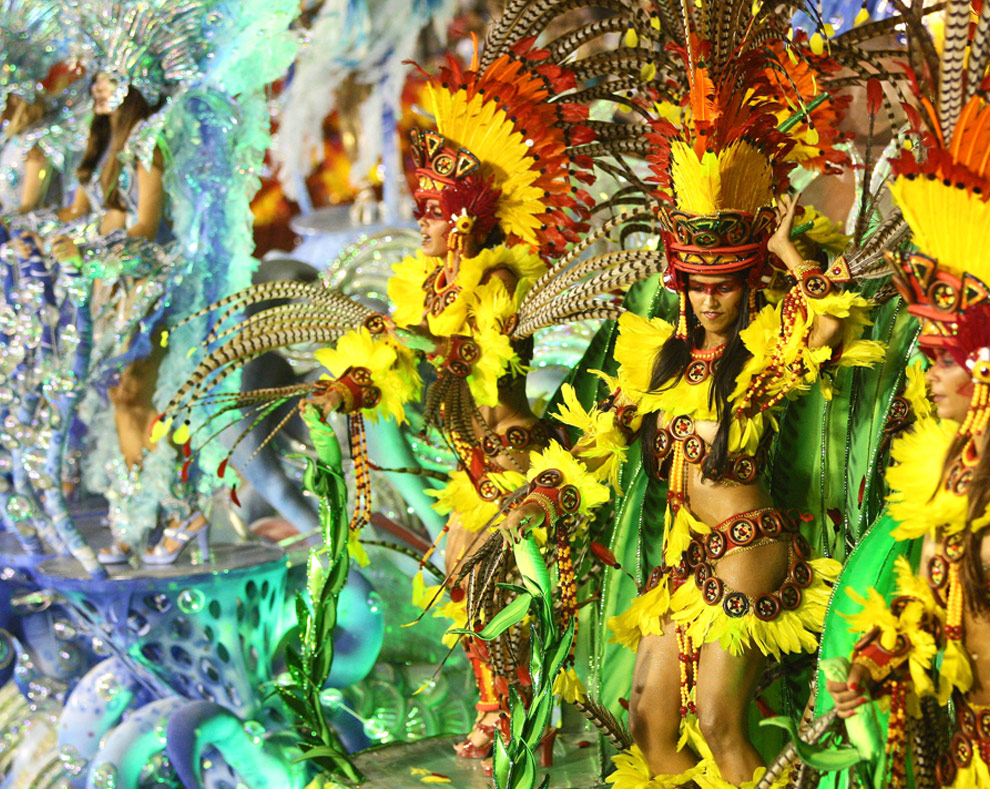
8. The Carnival of Rio de Janeiro
The Carnaval in Rio de Janeiro is a world famous festival held before Lent every year and considered the biggest carnival in the world with two million people per day on the streets. The first festivals of Rio date back to 1823. The typical Rio carnival parade is filled with revelers, floats and adornments from numerous samba schools which are located in Rio. A samba school is composed of a collaboration of local neighbours that want to attend carnival together, with some kind of regional, geographical common background.
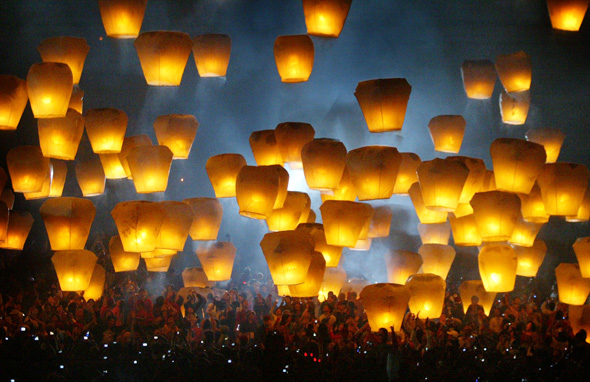
7. Pingxi Lantern Festival, Taiwan
There are many activities all over Taiwan during Taiwan Lantern Festival. During the Taiwan Lantern Festival, thousands of sky lanterns light over Pingxi District in Taiwan. In Yanshui District, the firecrackers ceremony of Wumiao Temple is also one of the important activities. The Tainan Yanshui Fireworks Display (“beehive of fireworks”) was originally celebrated to ward of evil and disease from the town. The Taipei Pingshi Sky Lanterns were released originally to let others know that the town was safe. These lanterns are decorated with wishes and images relating to the owner.
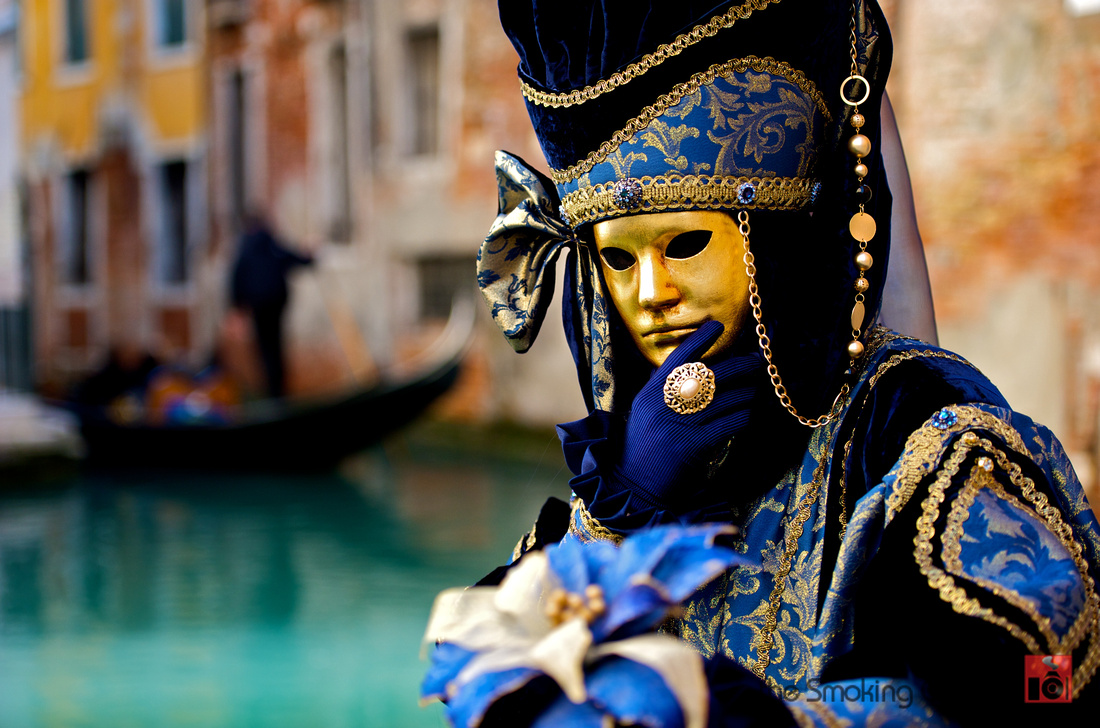
6. Carnival of Venice, Italy
The Carnival of Venice is an annual festival, held in Venice, Italy. The Carnival ends with Lent, forty days before Easter on Shrove Tuesday (Fat Tuesday or Martedì Grasso), the day before Ash Wednesday. It is said that the Carnival of Venice was started from a victory of the “Serenissima Repubblica” against the Patriarch of Aquileia, Ulrico in the year 1162. In the honor of this victory, the people started to dance and make reunions in San Marco Square. Apparently, this festival started on that period and became official in the Renaissance. However, under the rule of the King of Austria, the festival was outlawed entirely in 1797 and the use of masks became strictly forbidden.
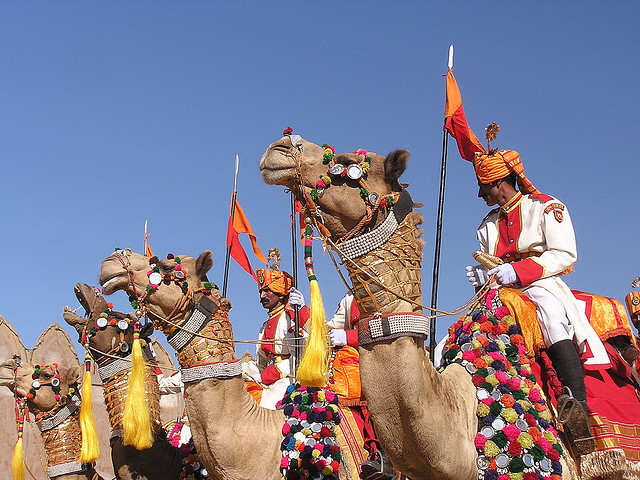
5. Desert Festival of Jeisalmer, India
Jaisalmer , nicknamed “The Golden city”, is a town in the Indian state of Rajasthan. It is located 575 kilometres (357 mi) west of the state capital Jaipur. It was once known as Jaisalmer state. The town stands on a ridge of yellowish sandstone, crowned by a fort, which contains the palace and several ornate Jain temples. Many of the houses and temples are finely sculptured. It lies in the heart of the Thar Desert (great Indian desert) and has a population of about 78,000. It is the administrative headquarters of Jaisalmer District.
4. Songkran Water Festival, Thailand
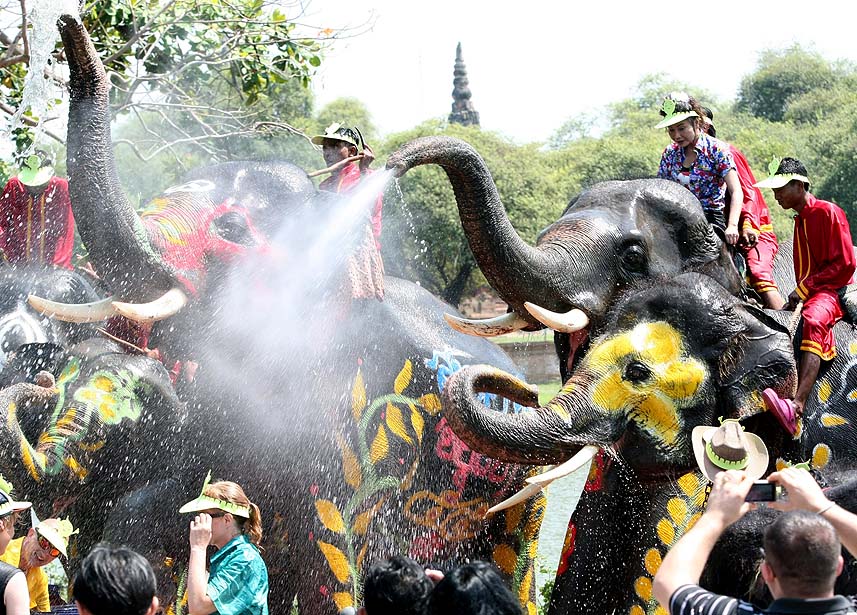
The Songkran festival is celebrated in Thailandas the traditional New Year’s Day from 13 to 15 April. It coincides with the New Year of many calendars of South and Southeast Asia.
The date of the festival was originally set by astrological calculation, but it is now fixed. If these days fall on a weekend, the missed days off are taken on the weekdays immediately following. Songkran falls in the hottest time of the year in Thailand, at the end of the dry season, so people throw water at each other and play.
3. San Firmin Festival, Spain
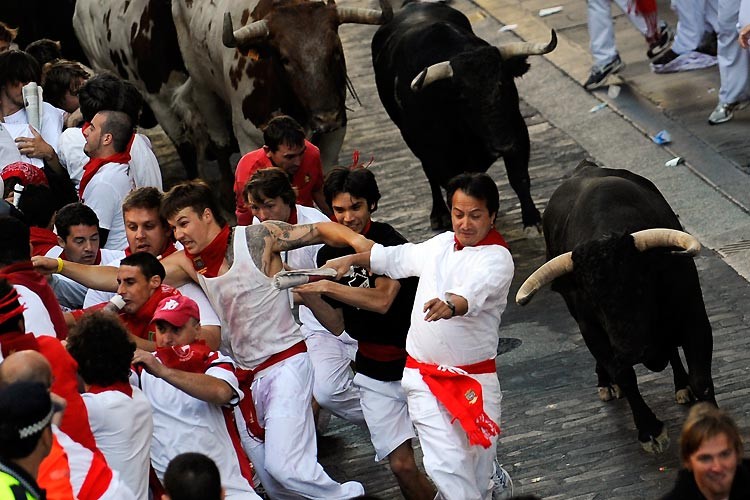
The festival of San Fermín in the city of Pamplona (Navarre, Spain), is a deeply rooted celebration held annually from 12:00, 6 July, when the opening of the party is marked by setting off the pyrotechnicchupinazo, to midnight 14 July, with the singing of the Pobre de Mí. While its most famous event is the encierro, or the running of the bulls, which happens at 8:00 am from July 7th to July 14th, the week long celebration involves many other traditional and folkloric events. It is known locally as Sanfermines and is held in honor of Saint Fermin, the co-patron of Navarre.
2. Obon Festival, Japan
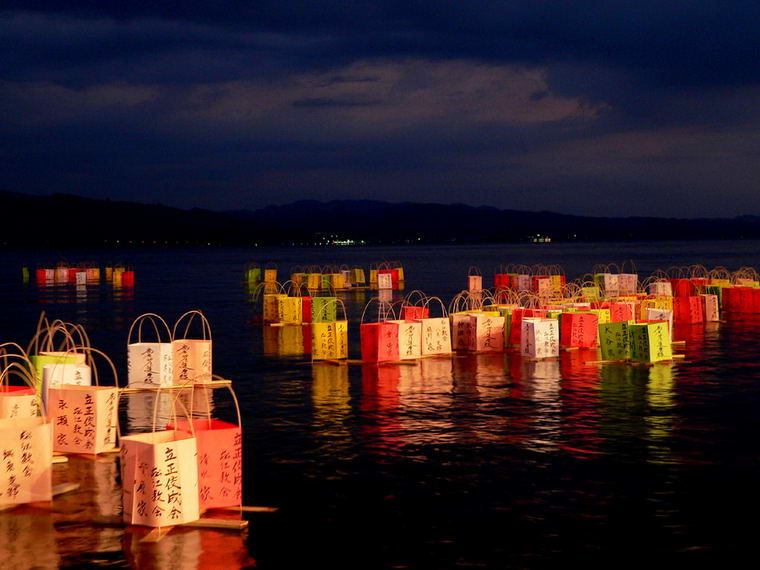
Obon or just Bon is a Japanese Buddhist custom to honor the spirits of one’s ancestors. This Buddhist-Confucian custom has evolved into a family reunion holiday during which people return to ancestral family places and visit and clean their ancestors’ graves, and when the spirits of ancestors are supposed to revisit the household altars. It has been celebrated in Japan for more than 500 years and traditionally includes a dance, known as Bon-Odori.
1. Dia De Los Muertos, Mexico
Day of the Dead (Spanish: Día de Muertos) is a Mexican holiday celebrated throughout Mexico and around the world in other cultures. The holiday focuses on gatherings of family and friends to pray for and remember friends and family members who have died. It is particularly celebrated in Mexico, where it is a national holiday, and all banks are closed. The celebration takes place on November 1 and 2, in connection with the Catholic holidays of All Saints’ Day and All Souls’ Day. Traditions connected with the holiday include building private altars honoring the deceased using sugar skulls, marigolds, and the favorite foods and beverages of the departed and visiting graves with these as gifts. They also leave possessions of the deceased.
