
This summer is time to find out more about this world’s culture and literature. Here are ten extraordinary masterpieces, some thater plays appreciated all over the world that you should definitely see when you get the occasion.
10. The Misanthrope by Moliere
The Misanthrope, or the Cantankerous Lover (French: Le Misanthrope ou l’Atrabilaire amoureux; French pronunciation: [lə misantʁop u latʁabilɛʁ amuʁø])) is a 17th-centurycomedy of manners in verse written by Molière. It was first performed on 4 June 1666 at the Théâtre du Palais-Royal, Paris by the King’s Players.

9. Arcadia by Tom Stoppard
Arcadia is a 1993 play by Tom Stoppard concerning the relationship between past and present and between order and disorder and the certainty of knowledge. It has been cited by many critics as the finest play from one of the most significant contemporary playwrights in the English language.

8. Doctor Faustus by Christopher Marlowe
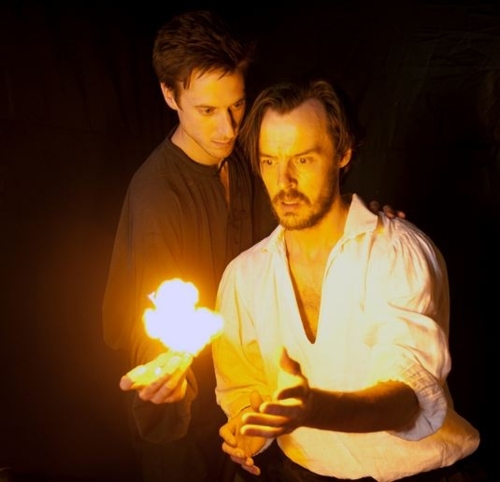
The Tragical History of the Life and Death of Doctor Faustus, commonly referred to simply as Doctor Faustus, is a play by Christopher Marlowe, based on the Faust story, in which a man sells his soul to the devil for power and knowledge. Doctor Faustus was first published in 1604, eleven years after Marlowe’s death and at least twelve years after the first performance of the play.
7. The Seagull by Anton Chekhov
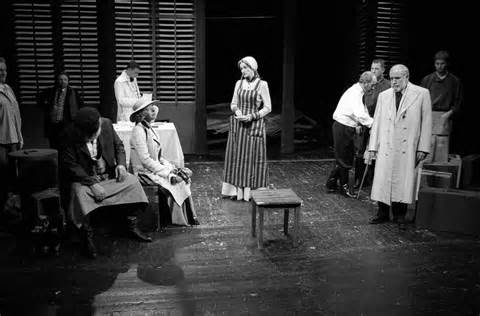
The Seagull is the first of what are generally considered to be the four major plays by the Russian dramatist Anton Chekhov. The Seagull was written in 1895 and first produced in 1896. It dramatises the romantic and artistic conflicts between four characters: the famous middlebrow story writer Boris Trigorin, the ingenue Nina, the fading actress Irina Arkadina, and her son the symbolist playwright Konstantin Tréplev.
6. Equus by Peter Shaffer
Equus is a play by Peter Shaffer written in 1973, telling the story of a psychiatrist who attempts to treat a young man who has a pathological religious fascination with horses.
Shaffer was inspired to write Equus when he heard of a crime involving a 17-year-old who blinded six horses in a small town near Suffolk.He set out to construct a fictional account of what might have caused the incident, without knowing any of the details of the crime. The play’s action is something of a detective story, involving the attempts of the child psychiatrist, Dr. Martin Dysart, to understand the cause of the boy’s actions while wrestling with his own sense of purpose.The stage show ran in London between 1973 and 1975: later came the Broadway productions that starred Anthony Hopkins as Dysart (later played by Richard Burton and Anthony Perkins), and from the London production,Peter Firth as Alan. The Broadway production ran for 1,209 performances.

5. Endgame by Samuel Beckett
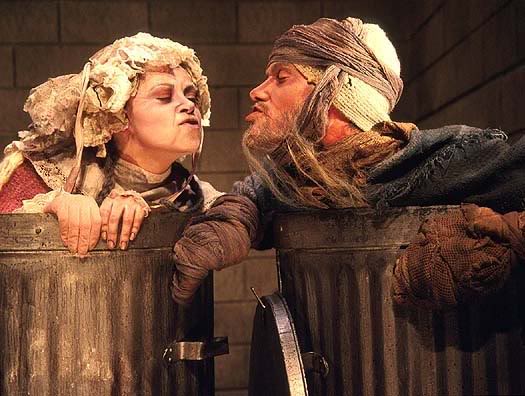
Endgame, by Samuel Beckett, is a one-act play with four characters, written in a style associated with the Theatre of the Absurd. It was originally written in French (entitled Fin de partie); as was his custom, Beckett himself translated it into English. The play was first performed in a French-language production at the Royal Court Theatre in London, opening on 3 April 1957. It is commonly considered, along with such works as Waiting for Godot, to be among Beckett’s most important works.
4. A view from the bridge by Arthur Miller
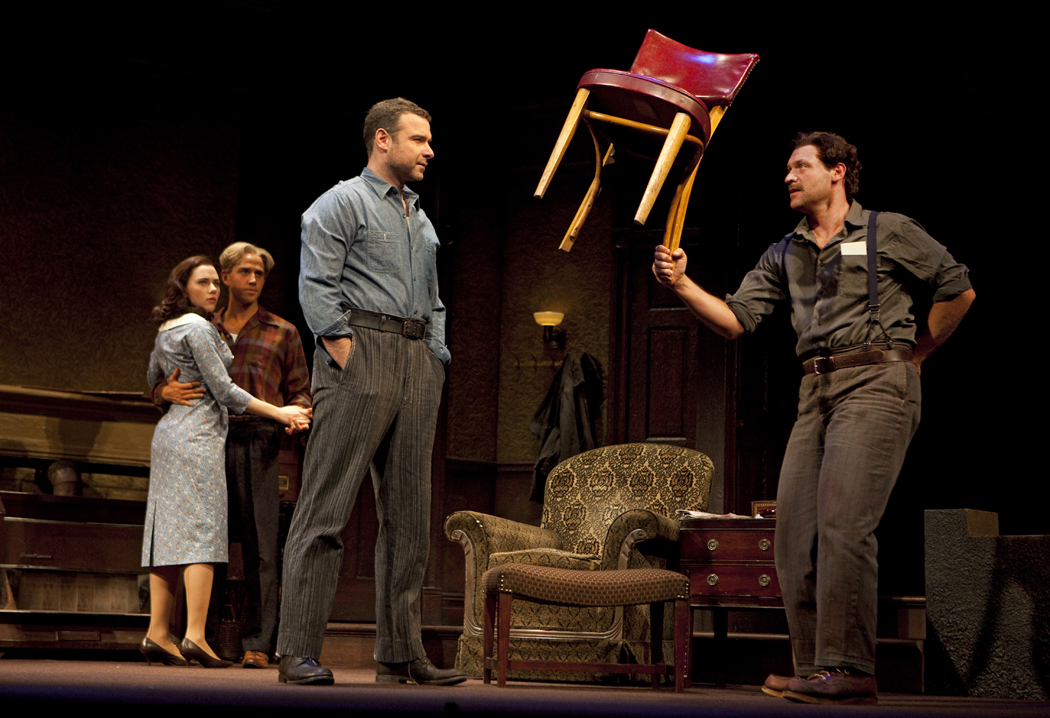
A View from the Bridge is a play by American playwright Arthur Miller, first staged on September 29, 1955 as a one-act verse drama with A Memory of Two Mondays at theCoronet Theatre on Broadway. The play was unsuccessful and Miller subsequently revised the play to contain two acts; this version is the one with which audiences are most familiar today.[1] The two-act version premièred in the New Watergate theatre club in London’s West End under the direction of Peter Brook on October 11, 1956.
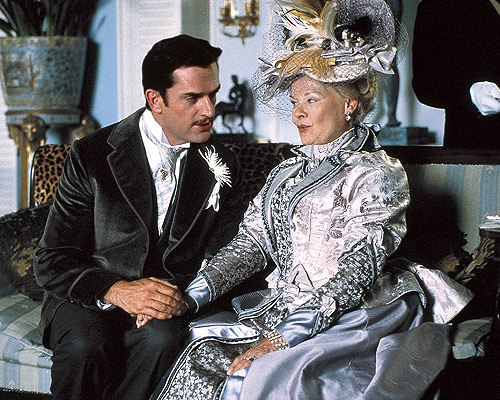
3. The importance of being Earnest by Oscar Wilde
The Importance of Being Earnest, A Trivial Comedy for Serious People is a play byOscar Wilde. First performed on 14 February 1895 at St. James’s Theatre in London, it is a farcical comedy in which the protagonists maintain fictitious personæ in order to escape burdensome social obligations. Working within the social conventions of late Victorian London, the play’s major themes are the triviality with which it treats institutions as serious as marriage, and the resulting satire of Victorian ways. Contemporary reviews all praised the play’s humour, though some were cautious about its explicit lack of social messages, while others foresaw the modern consensus that it was the culmination of Wilde’s artistic career so far. Its high farce and witty dialogue have helped make The Importance of Being Earnest Wilde’s most enduringly popular play.
2. Macbeth by William Shakespeare
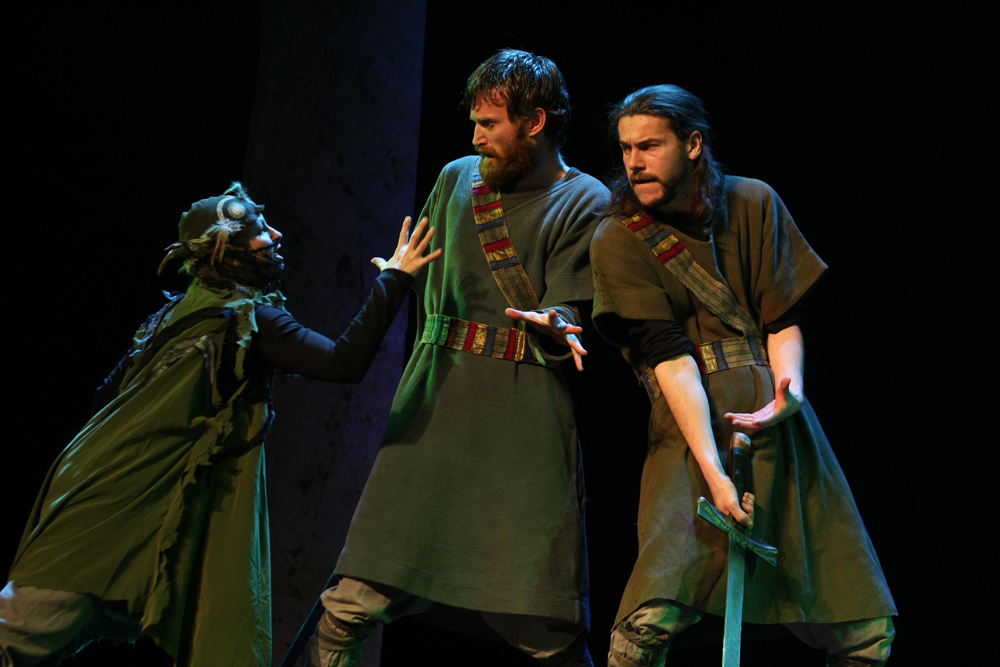
Macbeth is a play written by William Shakespeare. It is considered one of his darkest and most powerful tragedies. Set in Scotland, the play dramatizes the corrosive psychological and political effects produced when its protagonist, the Scottish lord Macbeth, chooses evil as the way to fulfill his ambition for power. He commits regicideto become king and then furthers his moral descent with a reign of murderous terror to stay in power, eventually plunging the country into civil war. In the end, he loses everything that gives meaning and purpose to his life, before losing his life itself.
1. Hamlet by William Shakespeare
The Tragedy of Hamlet, Prince of Denmark is a tragedy by William Shakespeare. Set in the Kingdom of Denmark, the play dramatizes the revenge Prince Hamlet exacts on his uncle Claudius for murdering King Hamlet, Claudius’s brother and Prince Hamlet’s father, and then succeeding to the throne and taking as his wife Gertrude, the old king’s widow and Prince Hamlet’s mother. The play vividly portrays both true and feigned madness—from overwhelming grief to seething rage—and explores themes of treachery, revenge, incest, and moral corruption.